Corded blinds are not safe in a home with young children, and that is not my opinion. It is the finding of the U.S. Consumer Product Safety Commission, which lists corded window coverings among the top five hidden hazards in American homes. On average, about 9 children under the age of 5 die each year from window cord strangulation. The CPSC recommends cordless window coverings in any home where children live or even visit, and every treatment I sell today can be made with no accessible cords at all.
Before window fashions, I spent thirty years as a fire lieutenant. I learned in that job that most tragedies in a home are quiet ones, hazards that sat in plain sight for years before anyone noticed them. So when I talk to parents and grandparents about window cords, I am not selling. I am telling you what I would want someone to tell my own family.
What does the CPSC say about window cords?
The Consumer Product Safety Commission has tracked this hazard for decades. A dangling cord sits at exactly the height of a curious toddler, and a child can become entangled in seconds, silently, often while a parent is in the next room. That is why the CPSC puts corded window coverings on its list of the top five hidden home hazards, and why its guidance is simple: in any home where young children live or visit, use cordless window coverings.
What changed with the 2022 federal safety standard?
In November 2022, the CPSC issued a federal safety standard for custom window coverings. The finding behind it is blunt: custom window coverings with accessible operating cords longer than 8 inches pose an unreasonable risk of strangulation to children 8 years old and younger. Custom products made today must be cordless or use short, inaccessible cords. The industry's own standard, ANSI/WCMA A100.1-2022, was revised the same way. Everything I order for you is built to meet it.
Which windows should go cordless first?
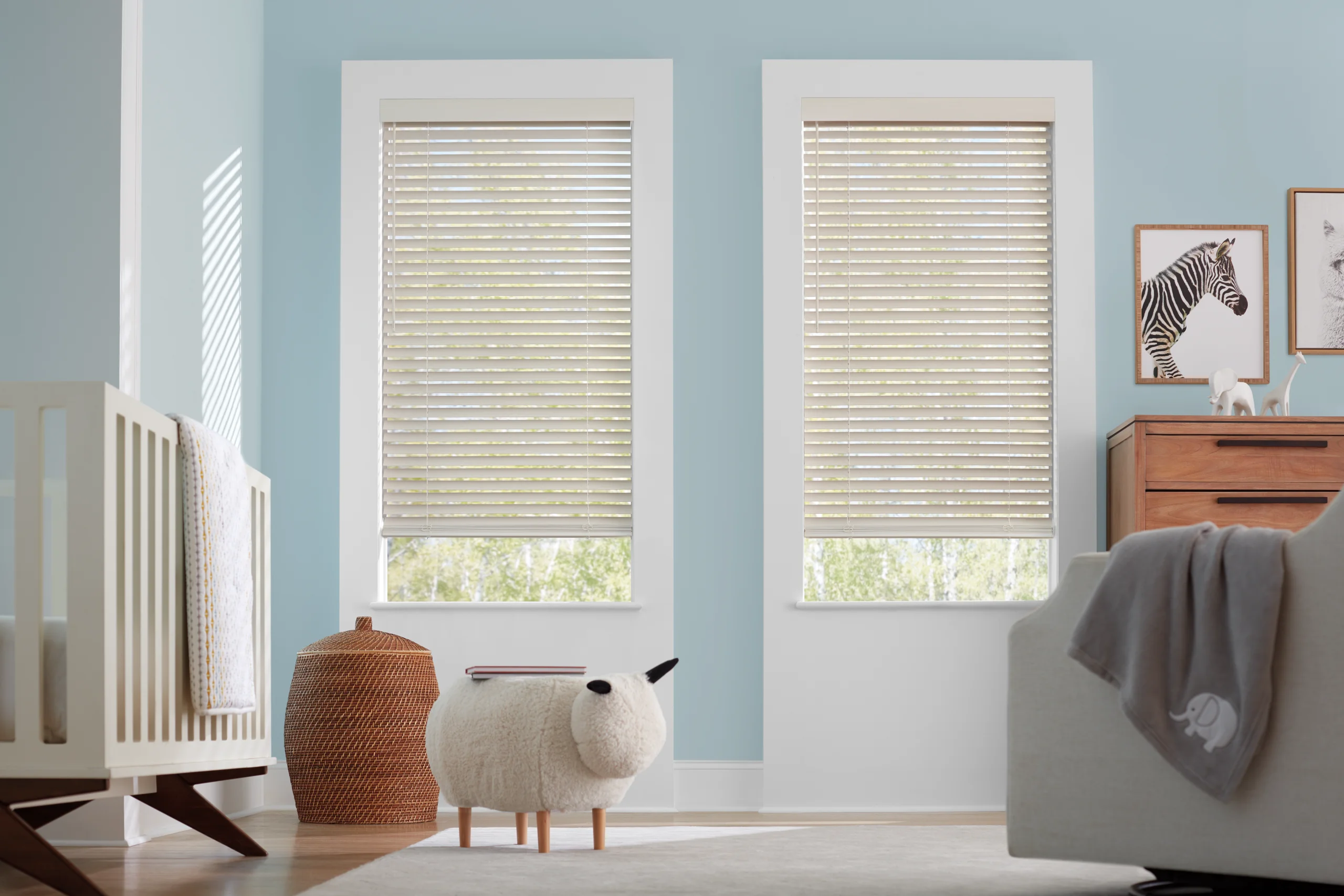
- The nursery and any room where a child sleeps. A crib should sit away from the window, and the window itself should have nothing dangling.
- Any window a bed, couch, or climbable piece of furniture sits near. Kids climb, and a cord within reach from a perch is the classic scenario.
- Playrooms and family rooms, where children spend unsupervised minutes every day.
- Grandparents' homes. The CPSC guidance says live or visit, and a weekend at Grandma's counts.
What are the cordless options?
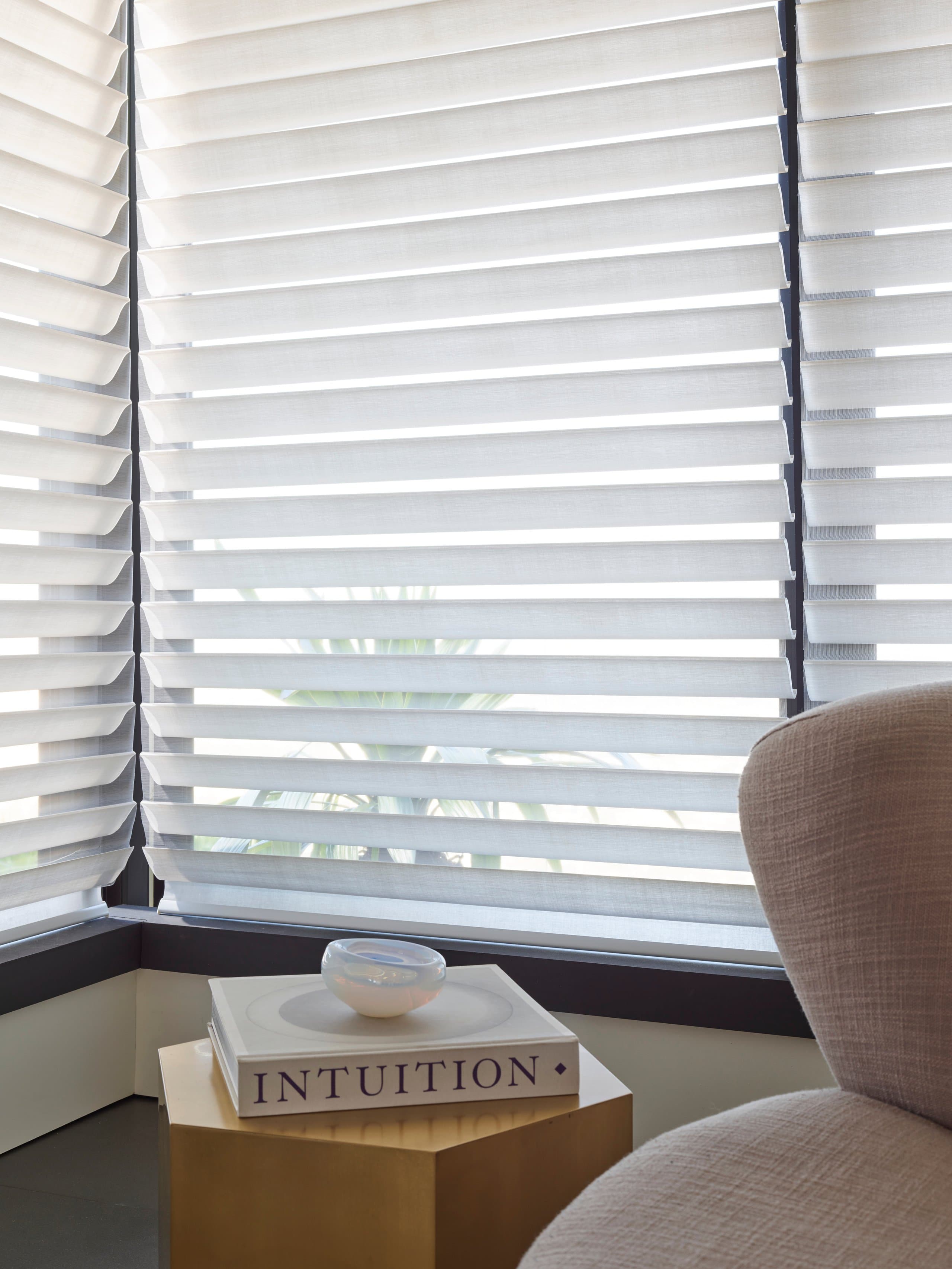
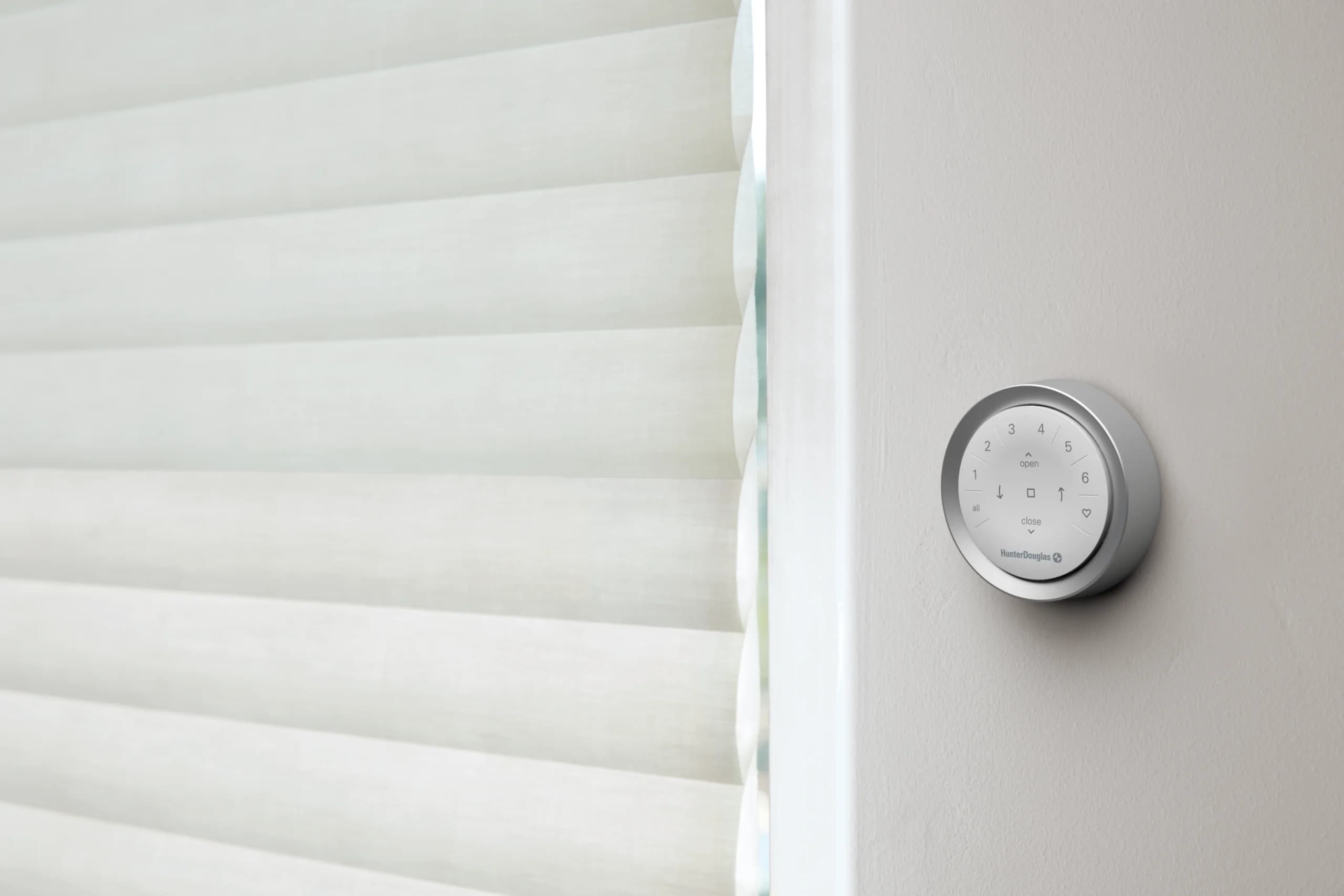
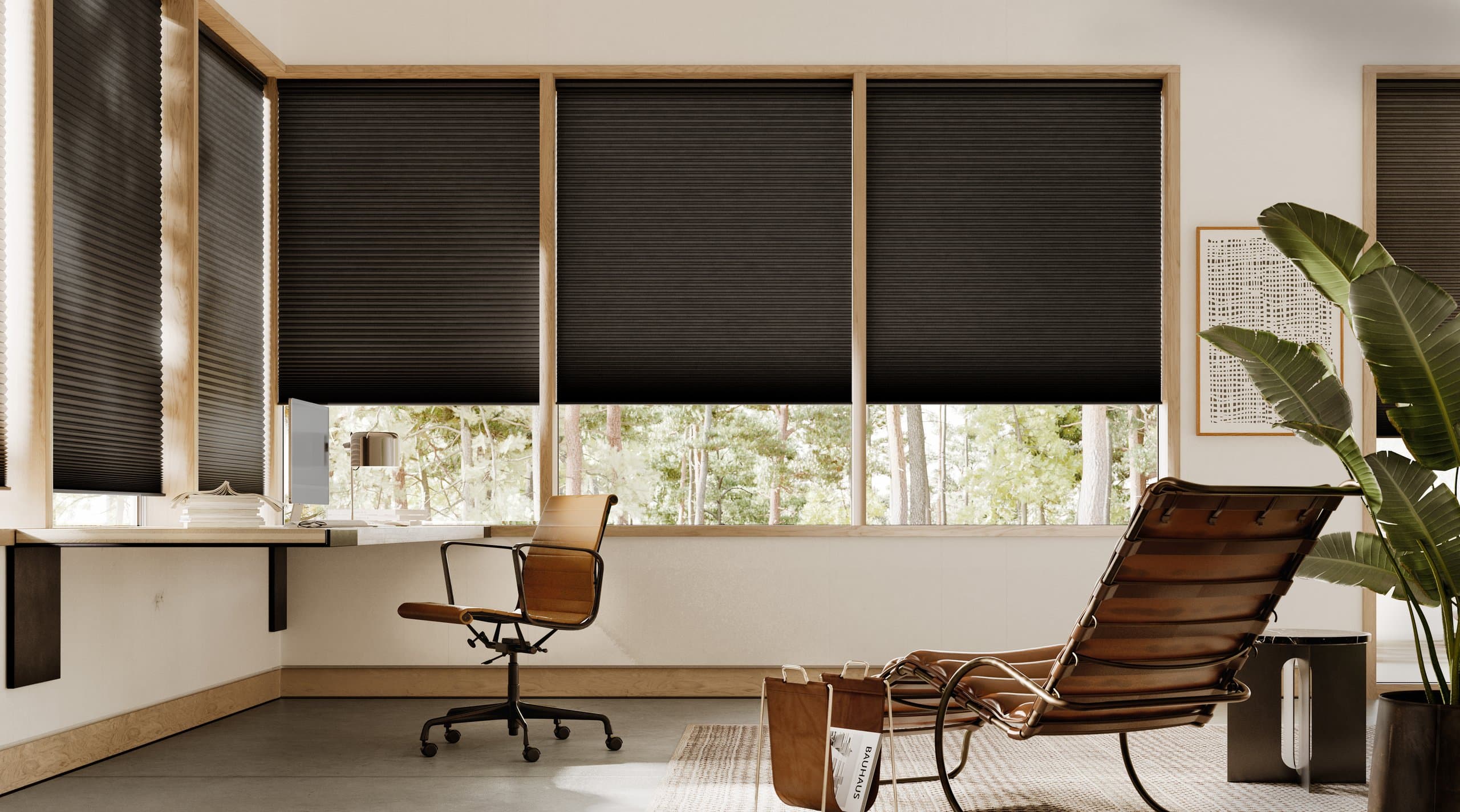
You do not give anything up by going cordless. Hunter Douglas LiteRise® is the simplest option: you push the bottom rail up or pull it down with your hand, it stays exactly where you leave it, and there is no cord anywhere on the window. PowerView® Automation goes a step further and removes cords entirely from the equation. The shade moves from a remote, an app, or a schedule, which also solves the tall windows and the ones behind the couch.
What should I do about the corded blinds I already own?
Start today, before you buy anything. Move cribs, beds, and anything a child can climb away from windows with cords, and keep every cord wrapped up high out of reach. Those steps reduce the risk, but the honest fix is replacing the corded treatments in the rooms where children spend time. You do not have to do the whole house at once. Do the nursery and the playroom first, and we can work through the rest as budget allows.
If you have cords in a home where children live or visit, let me take a look. The consultation is free, we sit down at your kitchen table, and I will give you a straight answer about which windows matter most and what it costs to make them safe. Request a free in-home consultation or call me at (603) 891-5755.
The PowerView® App is required for programmed operation.