Most window treatments last about seven to eight years. That is what I see in New England homes: budget aluminum and vinyl blinds often give out in three to five years, while quality wood and premium custom products last far longer. And if the blind in question is a Hunter Douglas, a covered repair itself costs you nothing under the Hunter Douglas Limited Lifetime Warranty, subject to the manufacturer's warranty terms, which changes the repair-or-replace math entirely.
I am Jim Garrity. I have installed and repaired window treatments across New England for more than thirty years, and I will give you the honest version: some blinds are worth fixing, some are not, and the answer depends on what is hanging in your window.
How long do different blinds actually last?
There is no single number, because lifespan is a material question before it is anything else. The table below is what thirty years of service calls across New England have taught me, sorted by what the treatment is made of.
| Material | Typical lifespan | Repair outlook |
|---|---|---|
| Budget aluminum or vinyl blinds | 3 to 5 years | Rarely worth repairing. A replacement often costs about the same as the fix. |
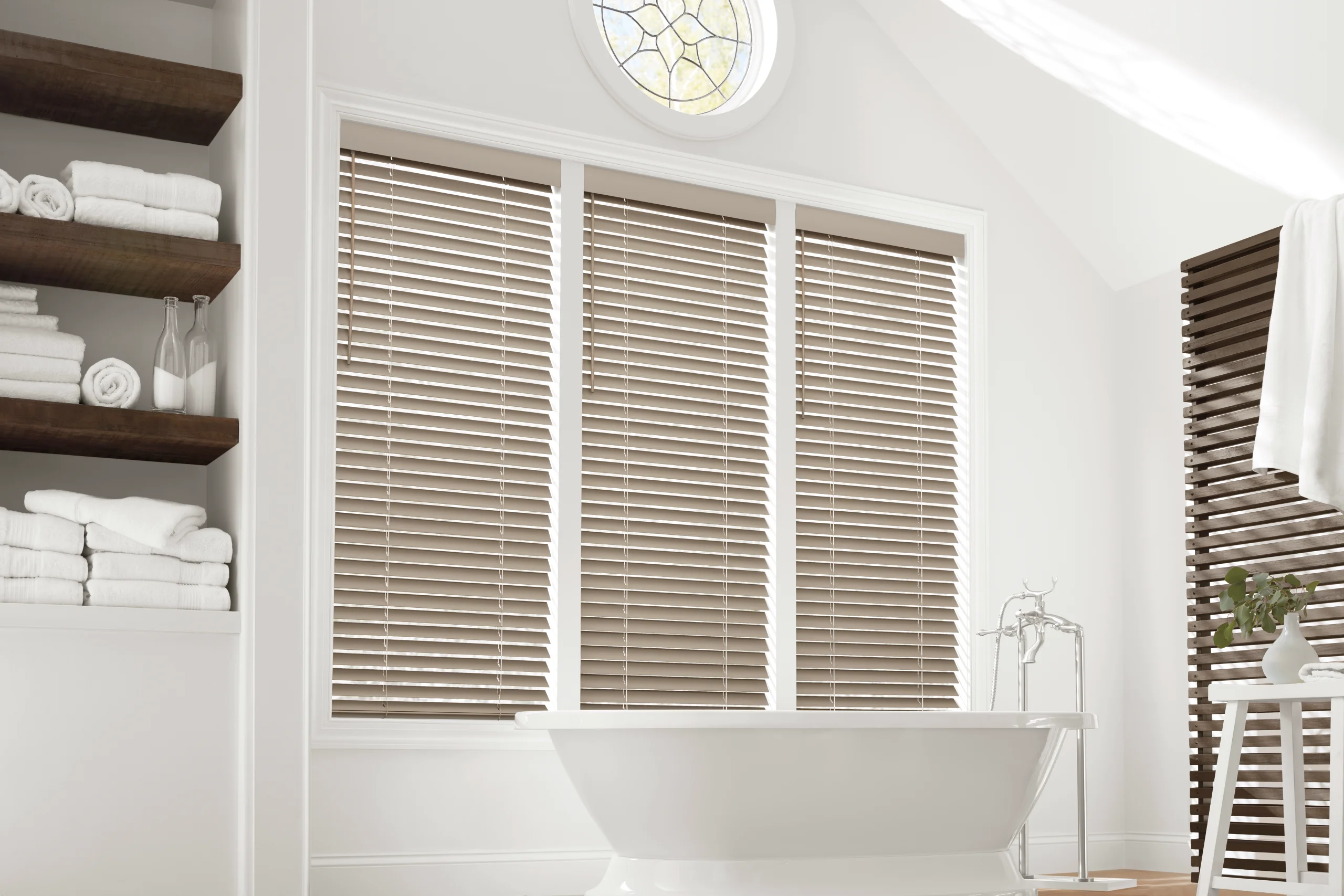
| Wood and faux wood blinds | 5 to 10 years | Worth repairing while the slats are sound. Moisture warping is usually the end. |
| Fabric and cellular shades | 7 to 10 years | Cords and mechanisms can be repaired. Faded or frayed fabric cannot. |
| Hunter Douglas custom treatments | Far longer with basic care | Repair first. Covered repairs fall under the Hunter Douglas Limited Lifetime Warranty, subject to its terms. |
What are the signs you need to replace your blinds?
Age alone is not the verdict. Look for these instead:
- Slats that are bent, cracked, or warped so they no longer close flush. That means light leaks and lost privacy.
- Cords that are frayed, tangled, or need a hard yank. The U.S. Consumer Product Safety Commission treats accessible window covering cords as a strangulation hazard for young children, so this one is safety, not looks.
- Fading or yellowing across a large share of the slats, especially on the sunny side of the house.
- Lift or tilt mechanisms that grind, slip, or stopped responding.
- Rooms that run hotter in summer and colder in winter than they used to. The U.S. Department of Energy credits window coverings with real insulating value, and worn treatments lose it.
- A style that fights the room after a remodel.
One broken slat is a repair. Most of that list at once is a replacement.
How does the Hunter Douglas Limited Lifetime Warranty change the math?
Hunter Douglas products are backed by the Hunter Douglas Limited Lifetime Warranty. If a cord, a mechanism, or an internal part fails, a covered repair itself costs you nothing, subject to the manufacturer's warranty terms, even if you bought the treatment from a shop that has since closed. So before anyone sells you a replacement, the first honest question is: is this a Hunter Douglas? If it is, I will tell you to repair it before I will ever quote you a new one.
The authorized service center for our area is Goedecke Design in Bedford, New Hampshire. I call it the hospital for your blind. You can drop your treatment off there yourself, and a covered repair itself costs you nothing, so the drive is your only expense. If you would rather skip the errand, I will take the blind down, deliver it, bring it back, and reinstall it for a flat service fee I quote before anything happens.
When is replacement the smarter call?
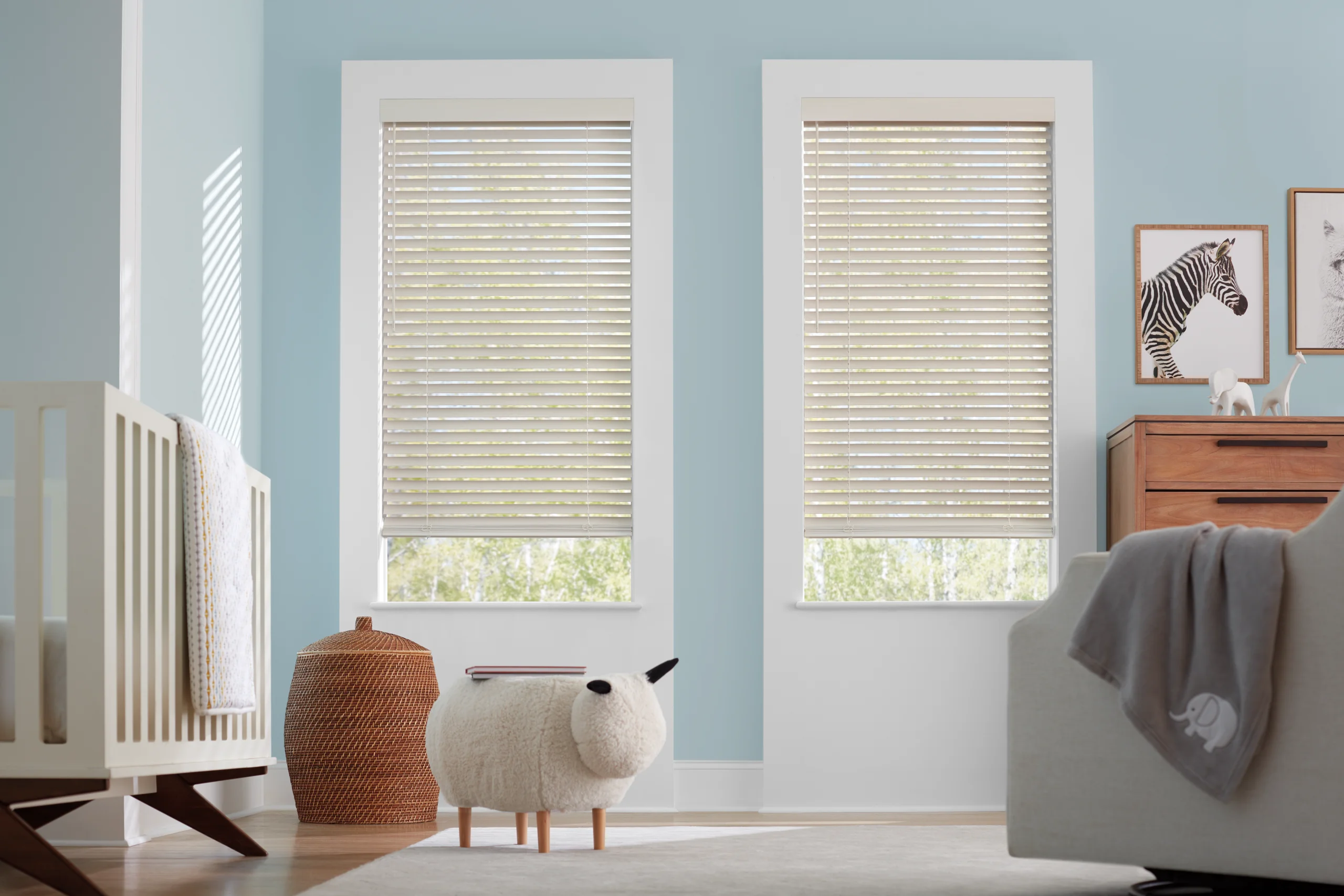
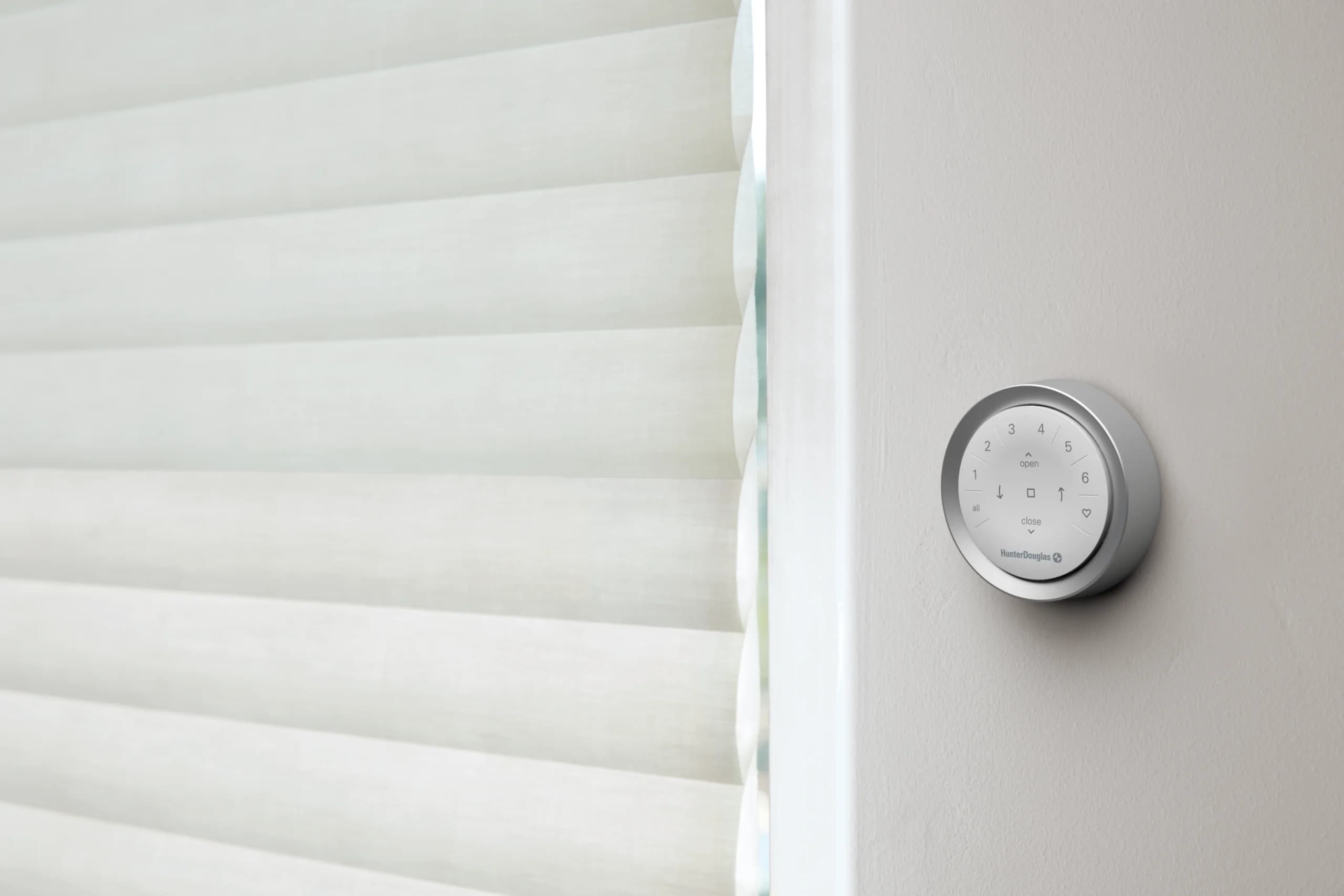
Replacement wins when a budget blind is near the end of its life, when fabric has faded past saving, or when your needs have changed: blackout for a new nursery, cordless because the grandkids visit, motorization for the two-story window nobody can reach. A repair cannot fix a shade that was never right for the room.
If you are staring at a tired blind and wondering which way to go, ask me. Tell me what broke and I will give you the honest path, repair or replace, before you spend a dollar. Request a free in-home consultation or call me at (603) 891-5755.